Selection Based On Type Of E-bike
Learn more ebike riding tips!
All of this makes autumn the perfect season for one-day trips or multi-day e-bike adventures.
That said, autumn weather can be unpredictable. A sunny morning can quickly turn into a shower. The perceived temperature may differ greatly between 8 a.m. and 3 p.m., and once the sun sets, the temperature drops sharply, bringing a chill.
For e-bike riders, the goal is not to avoid these weather conditions, but to get well-prepared.
From practical layered clothing and bike maintenance for wet slippery roads, to planning your autumn riding adventure, keep reading to find out how you can make the most of this wonderful riding season.
A common autumn riding mistake is dressing for warm afternoons while starting your ride in cool morning weather. Temperatures can shift drastically throughout the day, making layered clothing far more practical than a single thick jacket. A flexible autumn riding outfit includes
Autumn rain is unpredictable across most of Europe. Clear skies can quickly give way to short showers, so riders should always prepare for wet weather instead of relying solely on forecasts. Before heading out, check hourly precipitation, wind conditions, temperature shifts, sunset time, and route-wide weather changes.
Always carry a waterproof outer layer. For longer trips, prepare a rain jacket, waterproof bag cover, phone protection, and spare dry clothing. While light rain is manageable, avoid riding through severe storms, heavy flooding, or extreme weather — adjust your route or wait for better conditions.
Autumn roads bring new hazards: wet fallen leaves, mud, debris, and reduced visibility create slippery, unstable surfaces. Summer road conditions cannot be trusted in fall.
When riding on damp or leaf-covered roads, slow down before corners, avoid sudden braking or sharp steering, and maintain extra safety distance. Wider e-bike tires improve stability on uneven ground, but always confirm suitable tire pressure for your weight, terrain, and road conditions before long rides.
Short pre-ride maintenance ensures safety and reliability throughout autumn rides.
Tires: Check pressure, tread wear, cuts, and embedded debris
Brakes: Inspect brake pads and response — wet roads require dependable stopping power
Lights: Verify front and rear lights work properly for shorter, darker autumn days
Drivetrain: Clean and lubricate the chain after wet rides to prevent dirt buildup and wear
Cool temperatures temporarily reduce lithium-ion battery performance and real-world range.
Autumn riders must adjust their range planning accordingly.
Always start with a fully charged battery and reserve extra range for temperature drops. Avoid long-term exposure of cold batteries and let chilled batteries return to ambient temperature before charging. Most e-bikes withstand light rain splashes, but electrical components and batteries are not fully waterproof — avoid deep water and high-pressure washing.
Autumn is perfect for a slower style of cycling. Instead of trying to cover as many kilometres as possible, build the ride around the experience.
A good autumn day trip might look like:
Morning → Countryside ride → Local café → Scenic route → Lunch → Forest or vineyard section → Small town → Ride home
When planning your route, consider:
Start earlier—but not too early
Early morning can be beautiful, but it is also when temperatures are usually lowest.
Plan a warm stop
A café, bakery or small restaurant can become part of the journey rather than simply a place to refuel.
Leave enough time
Autumn daylight is shorter than summer daylight, so avoid planning every kilometre right up to sunset.
Have a backup route
If rain arrives earlier than expected, know where you can shorten the journey.
This is one of the advantages of an e-bike: you can cover more ground while maintaining a comfortable level of effort, giving you more flexibility when exploring unfamiliar areas.
Autumn is ideal for lightweight e-bikepacking and overnight cycling trips. Focus on practical preparation for fall conditions:
Layered clothing with easily accessible waterproof outerwear
Sufficient water and portable food, plus local rest stop options
Realistic battery planning accounting for temperature, hills, wind, and assist levels
Fully waterproof gear storage for clothes, electronics, and overnight equipment
Riding across varied terrain and changeable weather in autumn makes it vital to pick a suitable electric bike.
Drvetion e-bikes are engineered to handle diverse road conditions. Whether you need a folding e-bike easy to carry between scenic spots, or a sturdy full-size model built for long-distance autumn exploration, you can find an ideal match for your riding style. Here are our top recommended models for autumn rides:
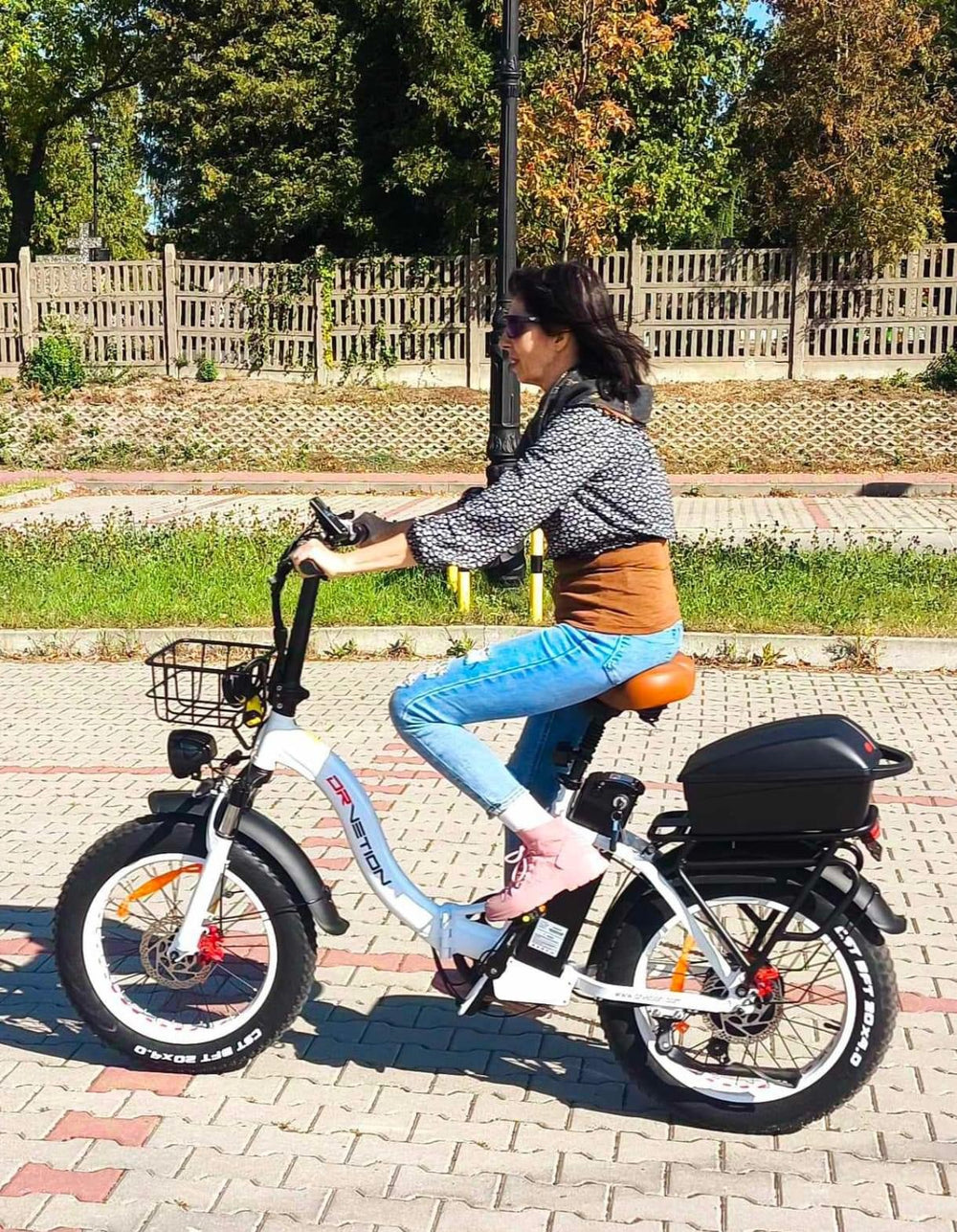
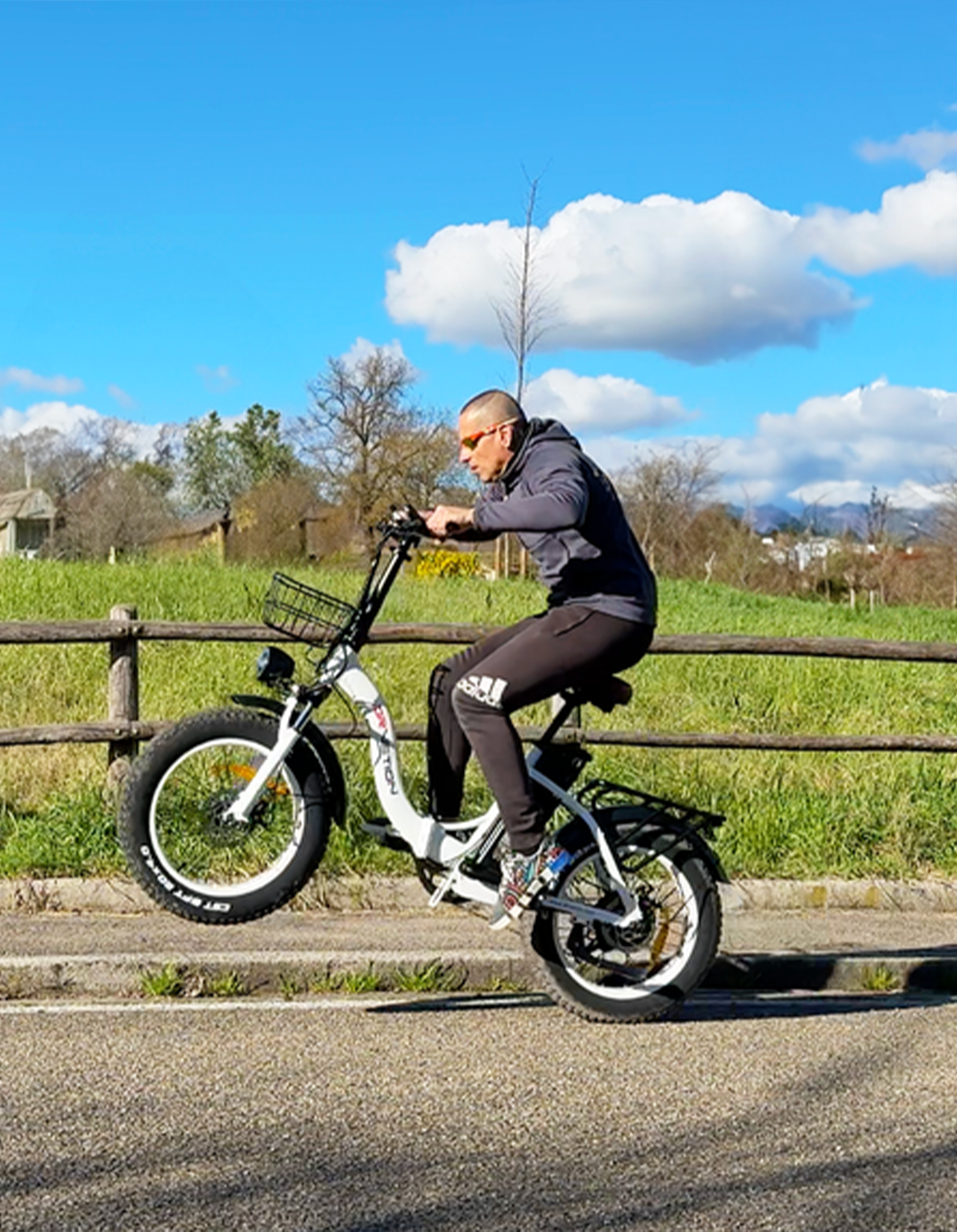
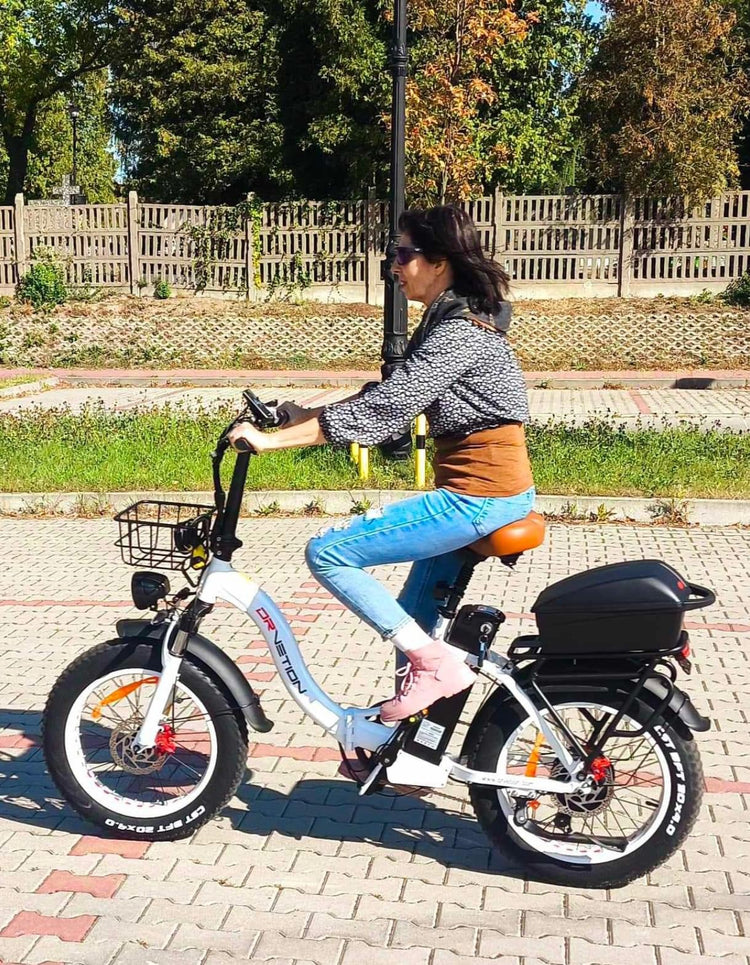
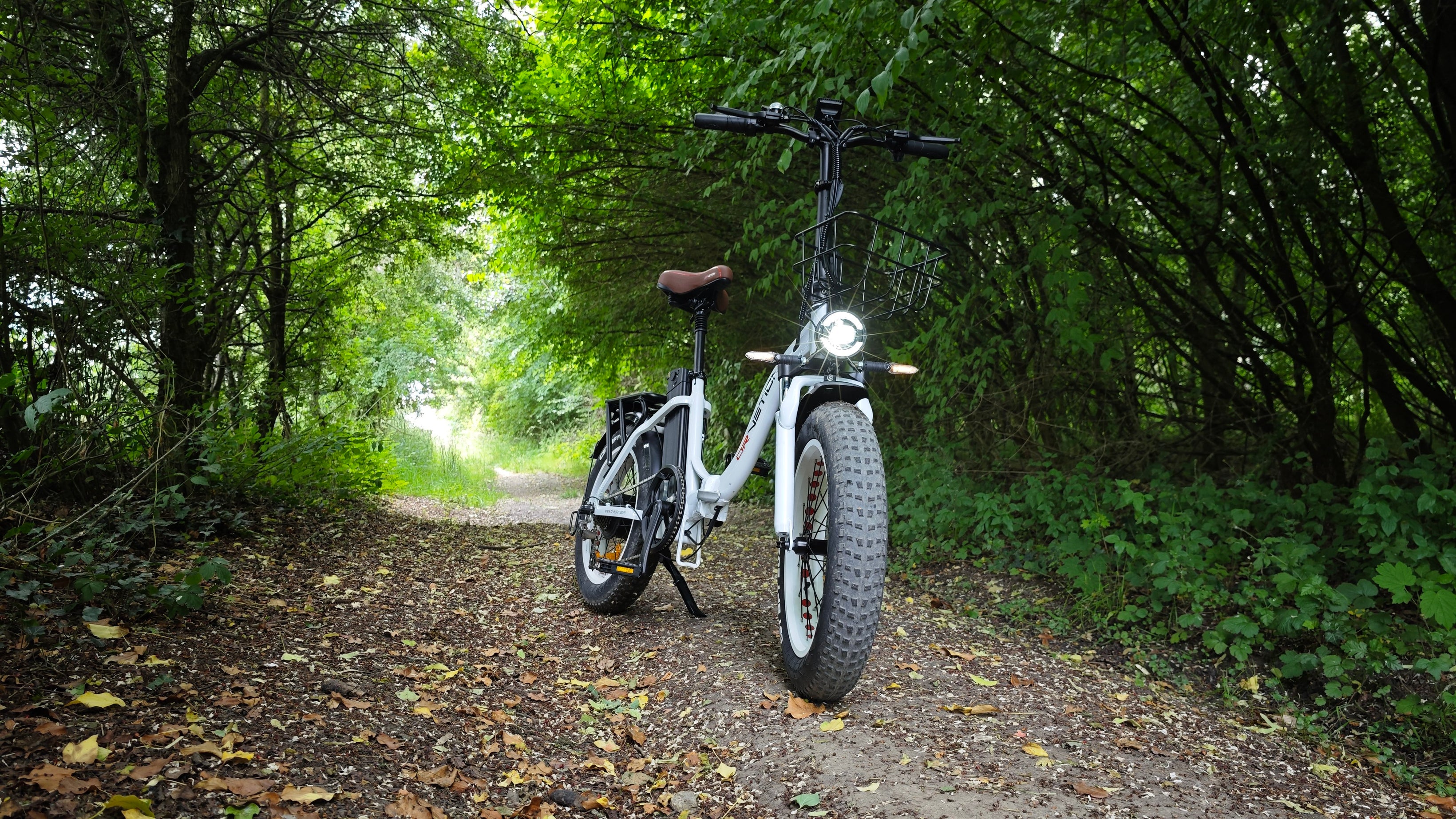
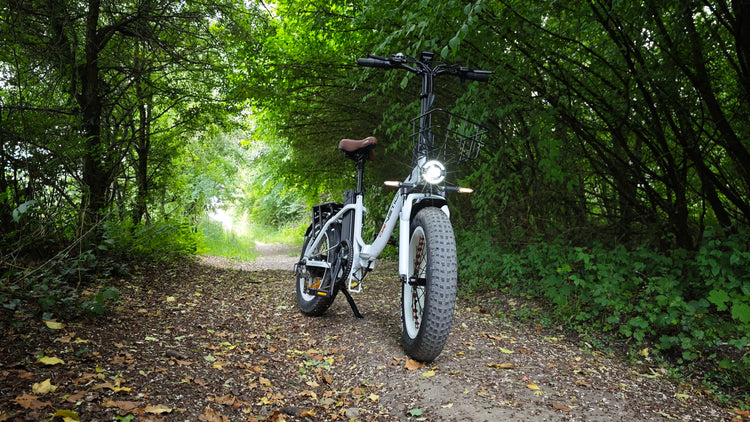
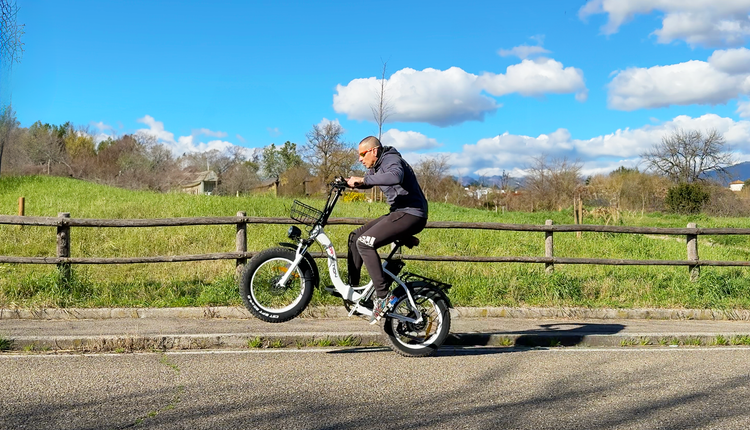
This 20-inch fat tire step-through e-bike comes with hydraulic brakes, perfect for casual autumn countryside trips and easy mounting & dismounting on leafy, slippery lanes.

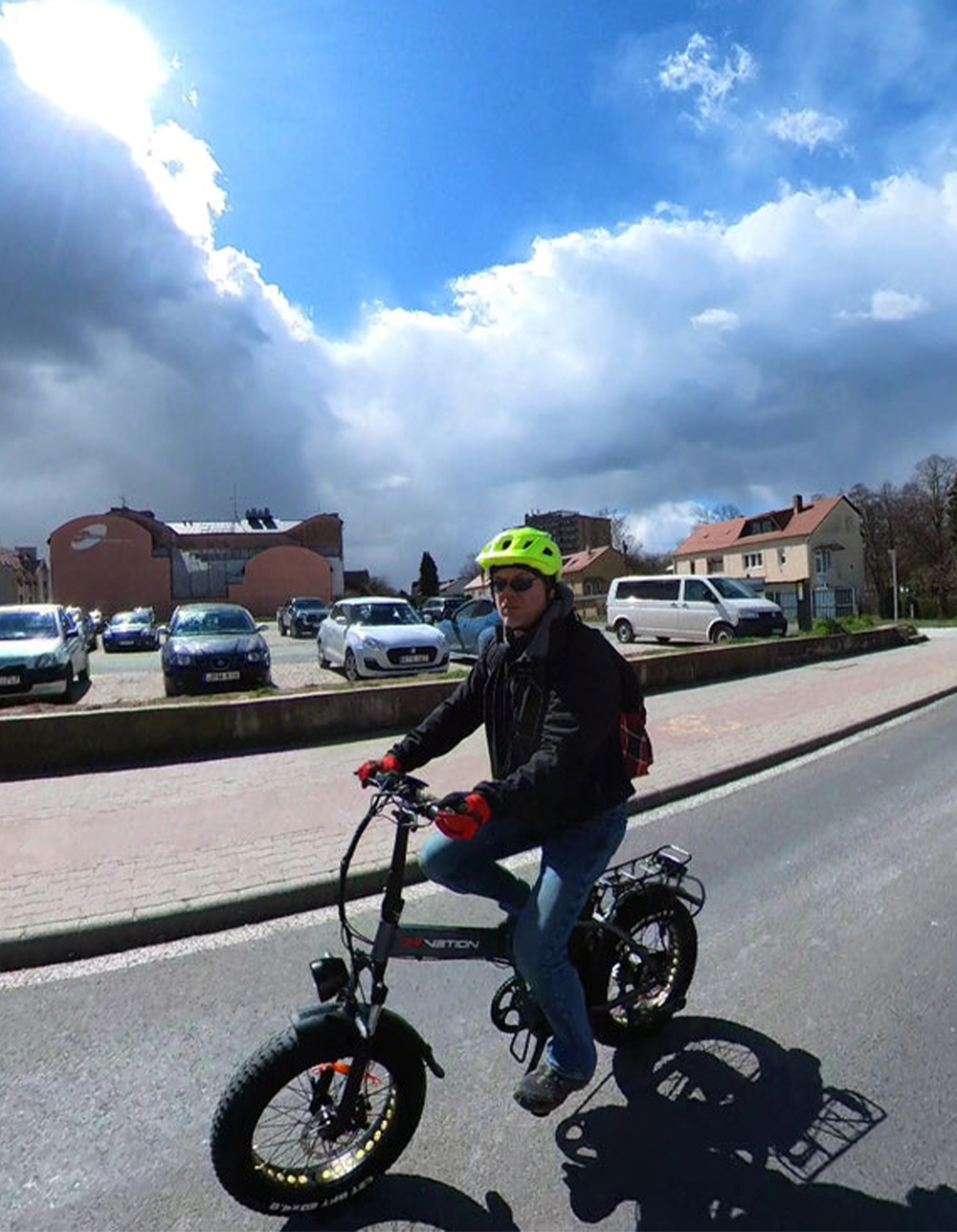
Boasting 20-inch fat tyres, a torque sensor and hydraulic brakes with 100 Nm torque, it delivers smooth, responsive power for hilly vineyard routes and misty mountain roads.

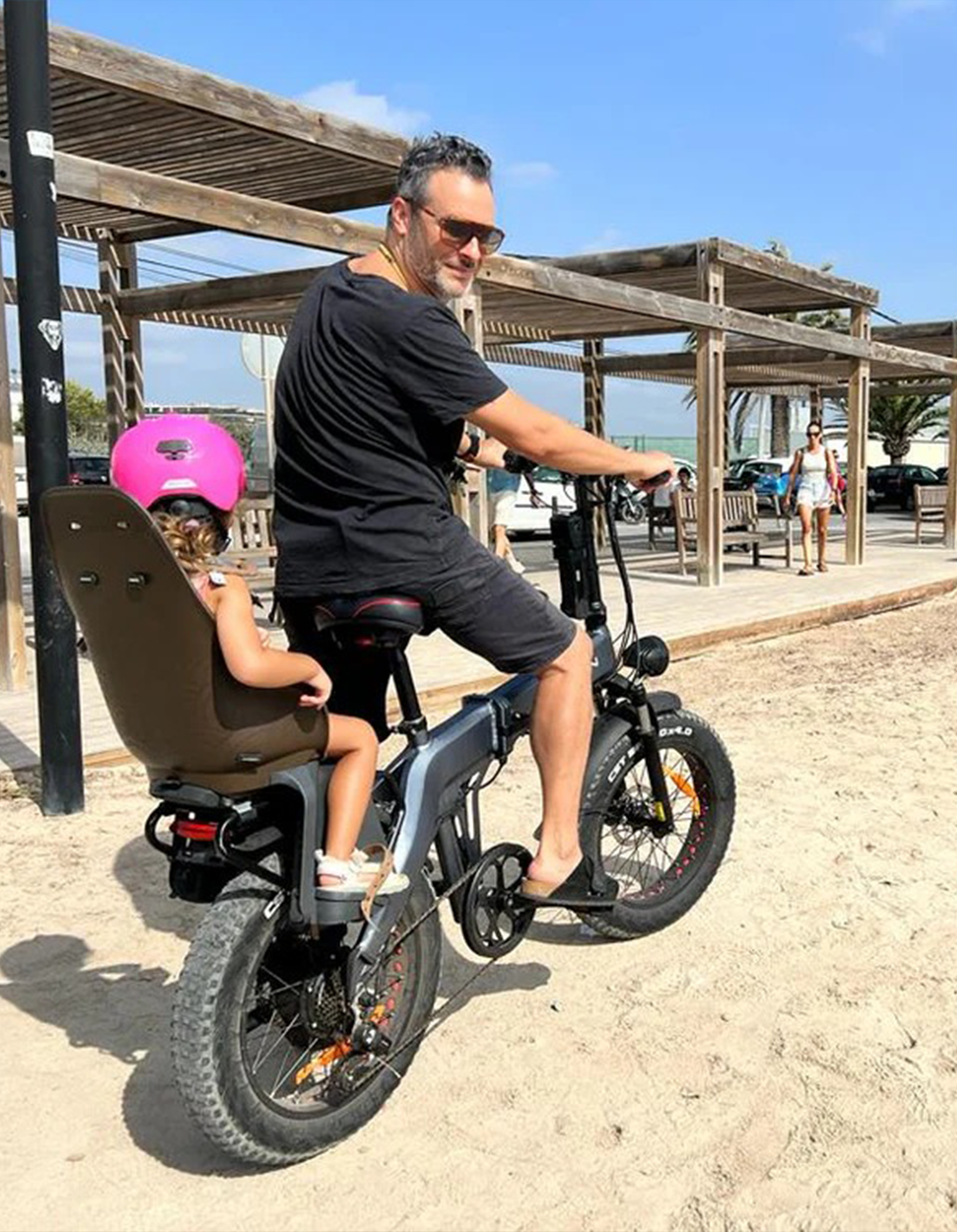
The 26-inch wide-tire off-road model equipped with a peak 1000W motor provides strong power, tackling rough forest trails and uneven autumn terrain effortlessly.

Rider Prep
Wear adjustable layers, pack a waterproof jacket, gloves, and spare dry clothing
E-Bike Prep
Check tire pressure, brakes, lights, battery level, and clean the drivetrain
Weather Prep
Check hourly forecasts, wind speed, and sunset time; always prepare for rain
Bikepacking Prep
Waterproof luggage, spare layers, food and water, charging plan, and backup route
Autumn is not the end of riding season — it is one of the best times to explore Europe by e-bike. Quieter roads, evolving fall scenery, and mild cool weather create unforgettable riding experiences. With proper clothing, careful bike maintenance, and smart route planning, autumn weather becomes part of the adventure. Charge your battery, pack your jacket, and discover Europe’s beautiful autumn views from your e-bike.